
Natural gas powers about 150,000 vehicles in the United States and roughly 15.2 million vehicles worldwide. Natural gas vehicles (NGVs) can run on compressed natural gas (CNG) or liquified natural gas (LNG). CNG is the most widely used option (as well as the most commonly used alternative fuel) and is a good choice for high-mileage, centrally fueled fleets that operate within a city or regional area. For vehicles needing to travel long distances, liquefied natural gas (LNG) enables the cars to go longer distances on natural gas. The advantages of natural gas as a transportation fuel include its domestic availability, low cost, growing infrastructure, and inherently cleaner.
Dedicated
These vehicles are designed to run only on natural gas and are spark-ignited (SI) engines.
Bi-Fuel
These vehicles have two separate fueling systems that enable them to run on either natural gas or gasoline, not both. The engines are almost always spark-ignited and use a spark plug to provide the ignition point.
B20 must meet quality standards are prescribed by ASTM D7467. The Department of Energy’s Vehicle Technologies Office supported efforts to test and enhance biodiesel quality to ensure more fuel met ASTM standards.
Dual Fuel
These vehicles are traditionally limited to heavy-duty applications and have fuel systems that run on natural gas and diesel simultaneously. They are compression-ignition (CI) engines and use diesel as the “spark” for ignition. They typically burn on the order of 50% natural gas and 50% diesel.
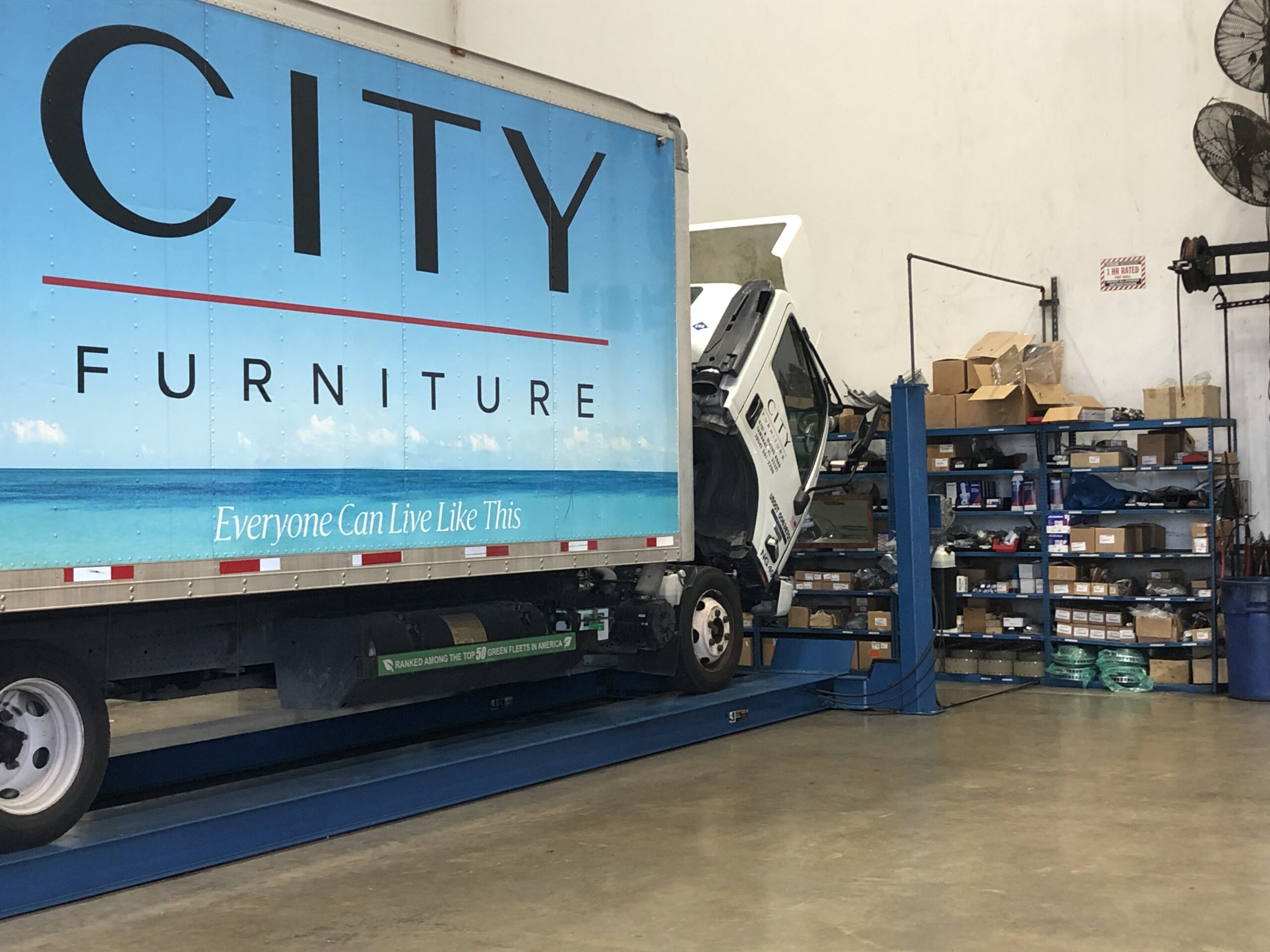
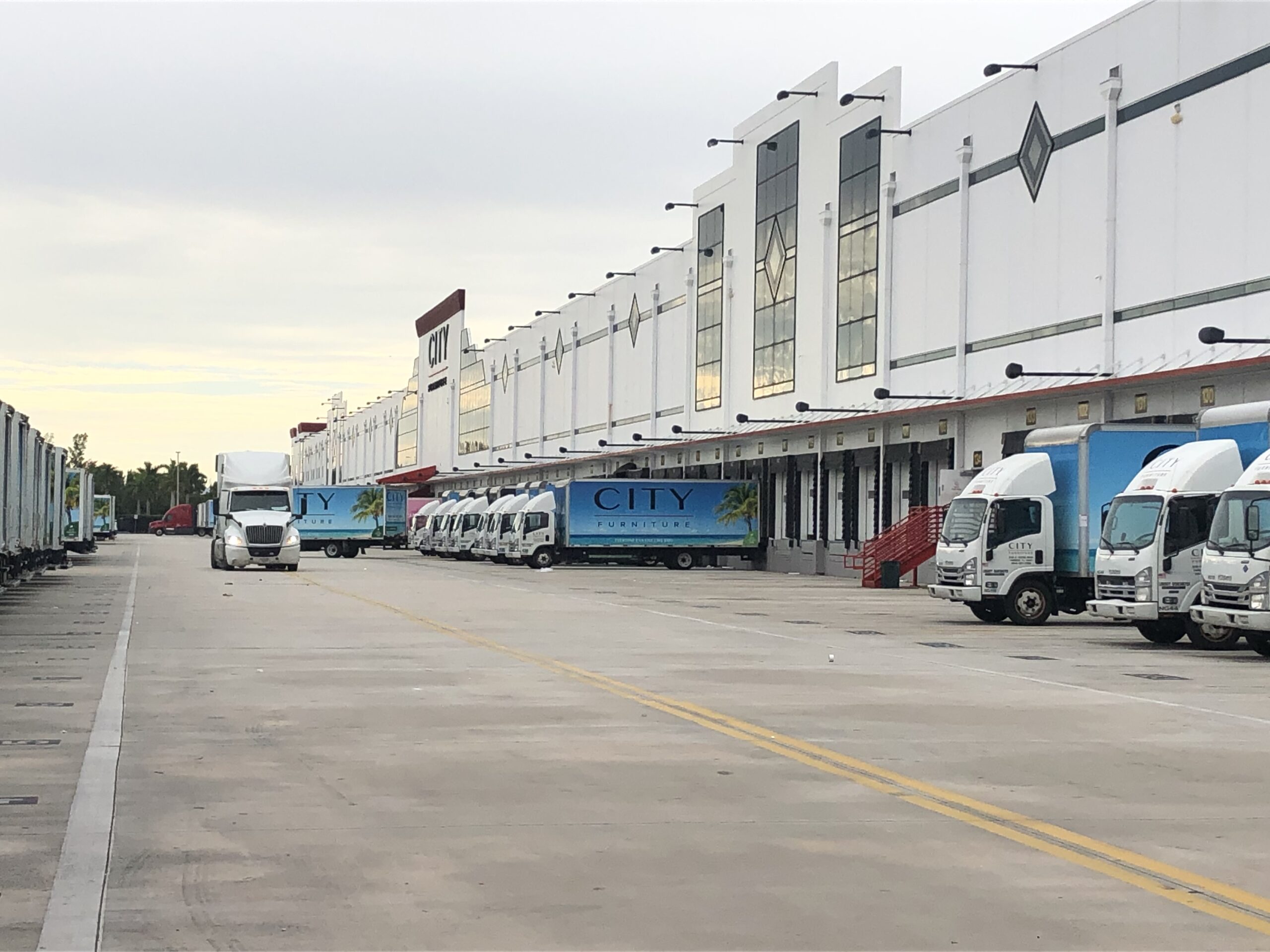
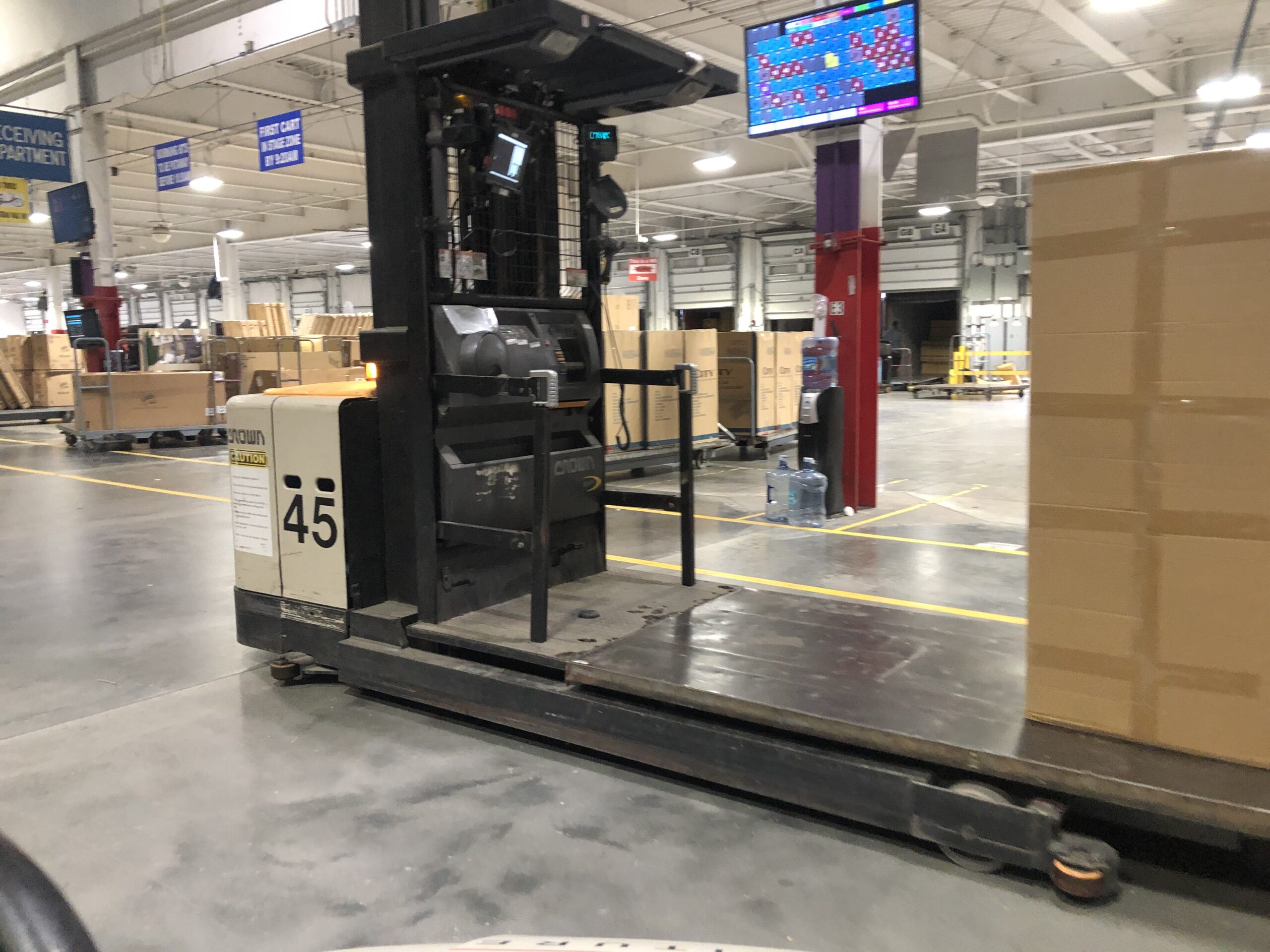
Economic Impact & Job Creation
Natural gas serves as a massive engine for the American economy, supporting millions of livelihoods across all 50 states.
Environmental & Emission Benefits
Switching to CNG significantly reduces the output of harmful pollutants and greenhouse gases compared to traditional gasoline or diesel.
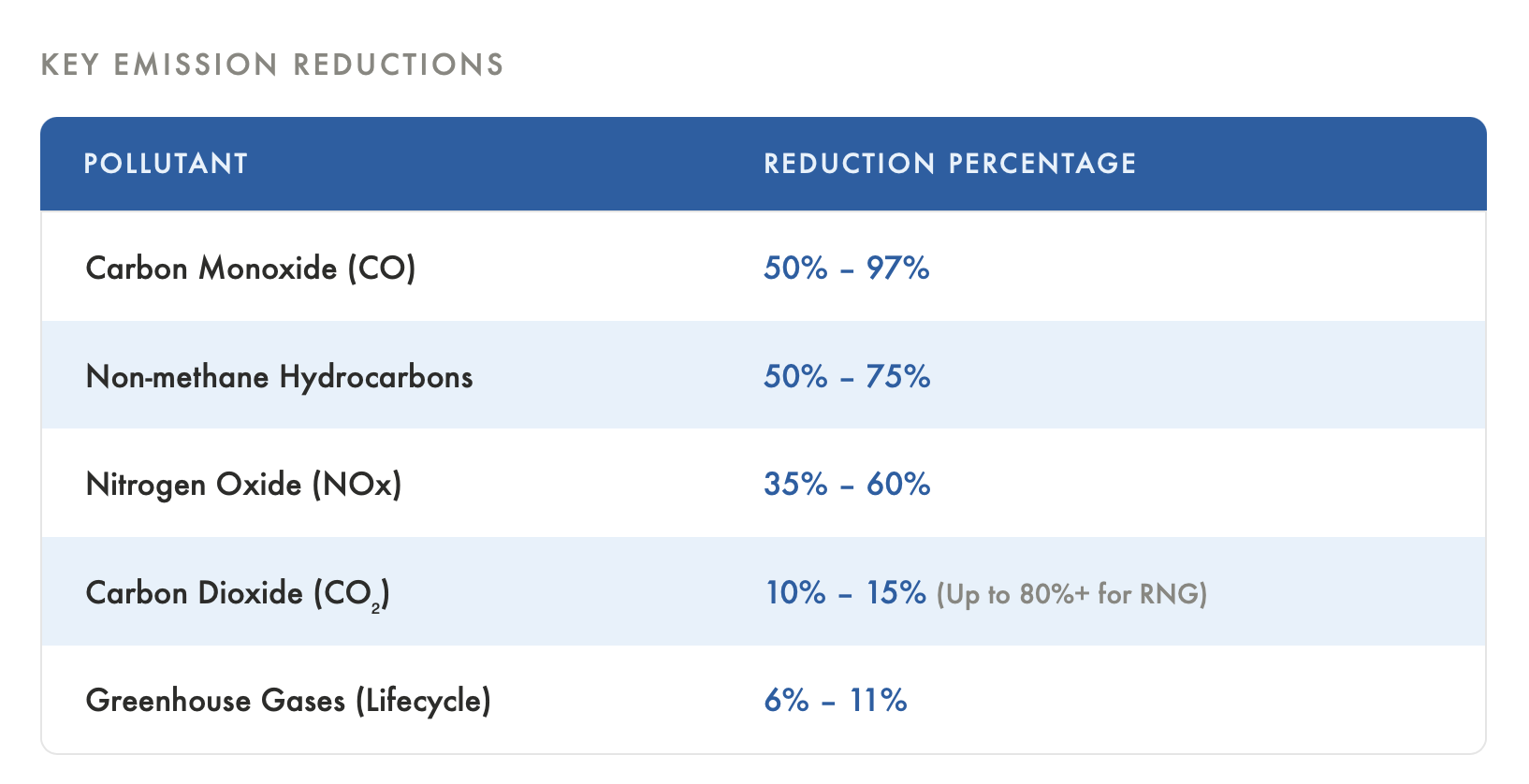
RNG (biogas) is derived from the decomposition of organic matter in landfills and livestock operations, offering unique advantages:
Methane Capture
It prevents methane—which is 25 times stronger than $CO_2$ as a greenhouse gas—from entering the atmosphere.
Carbon Neutrality
Using RNG can reduce carbon emissions by over 80%.
Agricultural Byproducts
The process of creating RNG (anaerobic digestion) reduces odors and creates nutrient-rich liquid fertilizer.
Natural gas isn’t just for cars and trucks; its clean-burning nature makes it ideal for smaller, high-use applications: