Home » South Florida LEPC
Serving Broward, Miami-Dade, and Monroe counties through regional planning, training, coordination, and public information under the Emergency Planning and Community Right-to-Know Act (EPCRA).
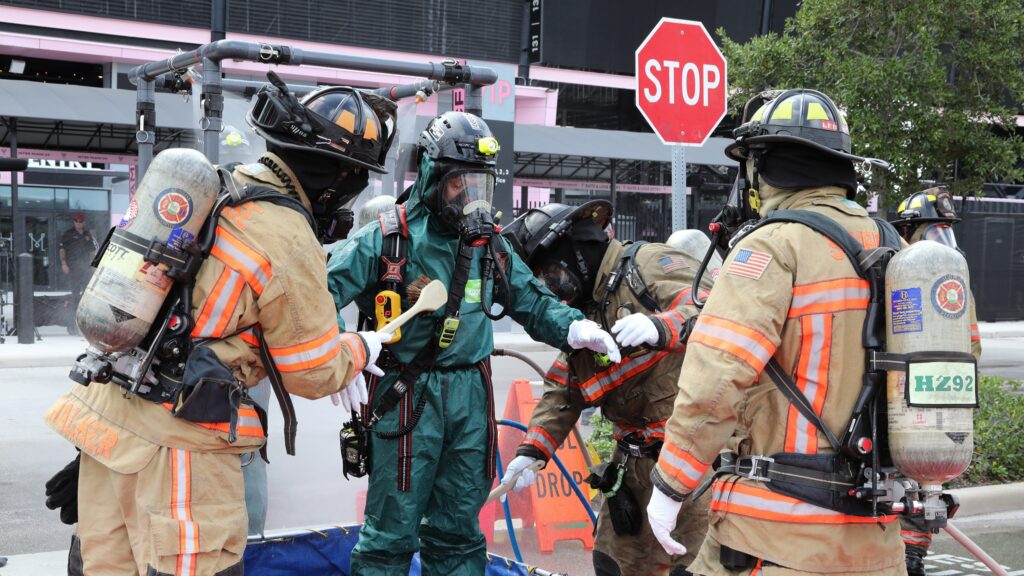
The South Florida Local Emergency Planning Committee (South Florida LEPC) works to improve hazardous materials preparedness across Broward, Miami-Dade, and Monroe counties. Since 1988, the South Florida Regional Planning Council has provided staff support to the LEPC, helping coordinate regional emergency planning, hazardous materials training, industry compliance assistance, and public access to chemical information required under the Emergency Planning and Community Right-to-Know Act (EPCRA). Working together with emergency responders, local governments, state agencies, healthcare organizations, industry partners, and the public, the South Florida LEPC helps strengthen the region’s ability to prepare for, respond to, and recover from hazardous materials incidents.
The South Florida LEPC was established pursuant to the Emergency Planning and Community Right-To-Know Act (EPCRA), Title III of the EPA Superfund Amendments and Reauthorization Act (SARA). Congress enacted EPCRA to help local communities protect public health and safety and the environment from chemical hazards.
The LEPC, as established pursuant to Section 301 of Title III, shall:
Whether you’re a community member, emergency responder, facility representative, or government partner, explore the resources, services, and information offered by the South Florida LEPC.
The Emergency Planning and Community Right-to-Know Act (EPCRA) is a federal law enacted in 1986 to help communities prepare for emergencies involving hazardous chemicals. EPCRA requires certain facilities to report information about hazardous chemicals they store or use, helping emergency responders develop effective response plans while providing the public with access to important chemical safety information.
Yes. LEPC meetings are open to the public, and community members are encouraged to attend. Meetings provide an opportunity to learn about regional hazardous materials planning, training initiatives, committee activities, and other topics related to emergency preparedness.
Facilities that store hazardous chemicals at or above the reporting thresholds established under EPCRA may be required to submit an annual Tier II Emergency and Hazardous Chemical Inventory Report. Reporting requirements vary based on the type and quantity of hazardous chemicals present at your facility.
Tier II reports are due March 1 each year and must include information about hazardous chemicals present at a facility during the previous calendar year. Facilities should submit reports in accordance with Florida’s reporting requirements and applicable EPCRA regulations.
Many LEPC-sponsored training courses are designed for public-sector emergency responders, including fire rescue personnel, hazardous materials teams, emergency management professionals, law enforcement, emergency medical services, and other government employees with emergency response responsibilities. Course eligibility may vary depending on the training and available funding.