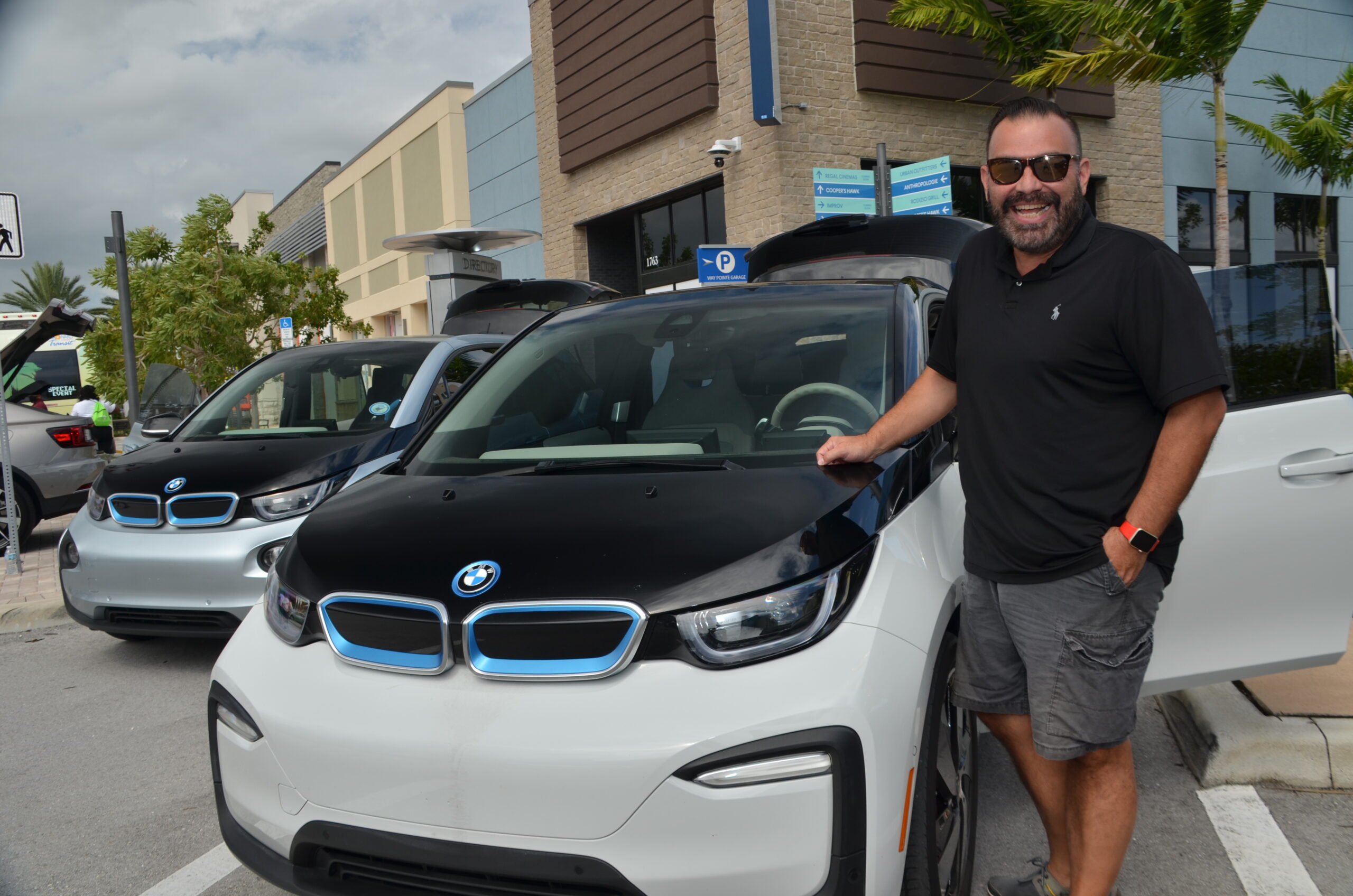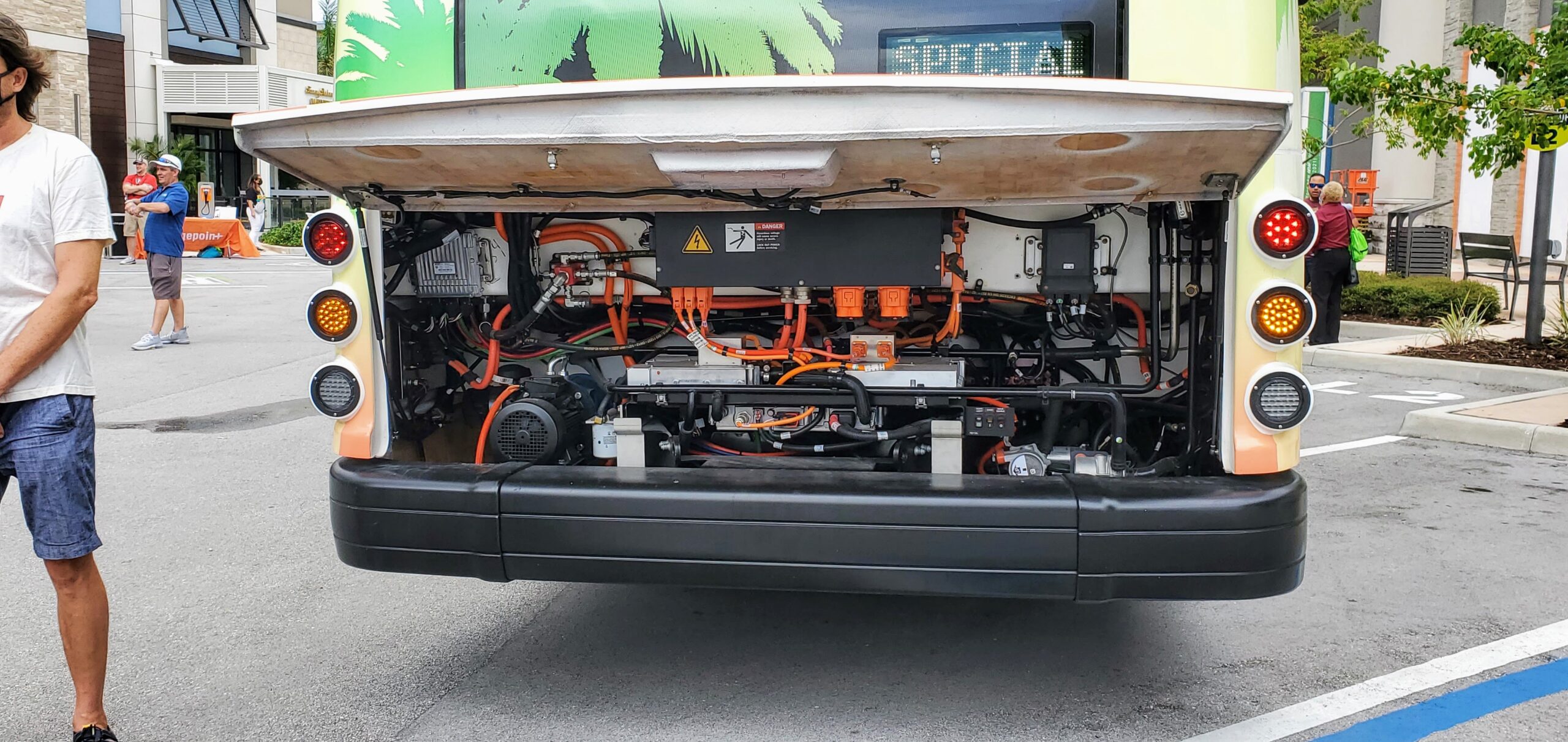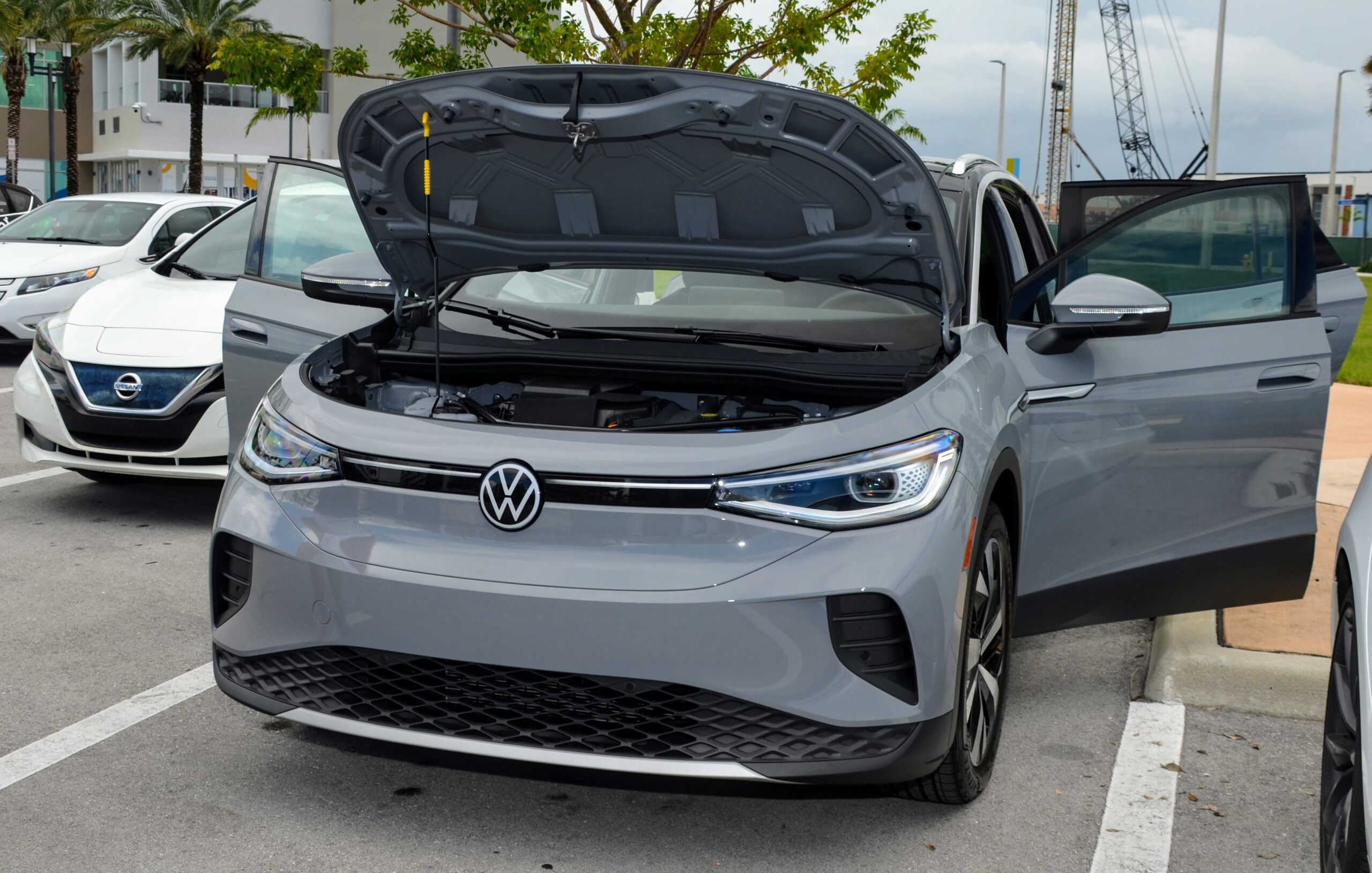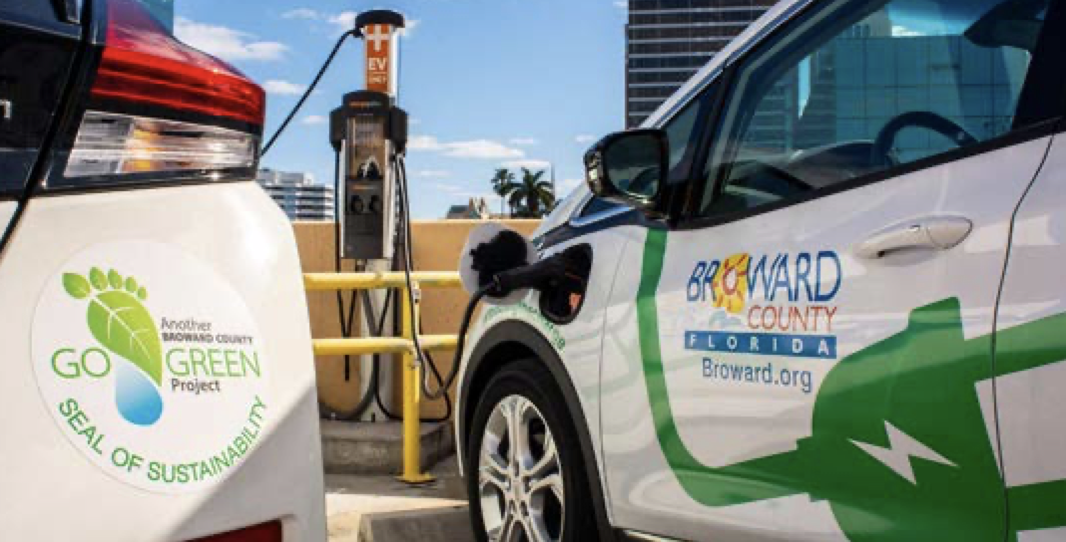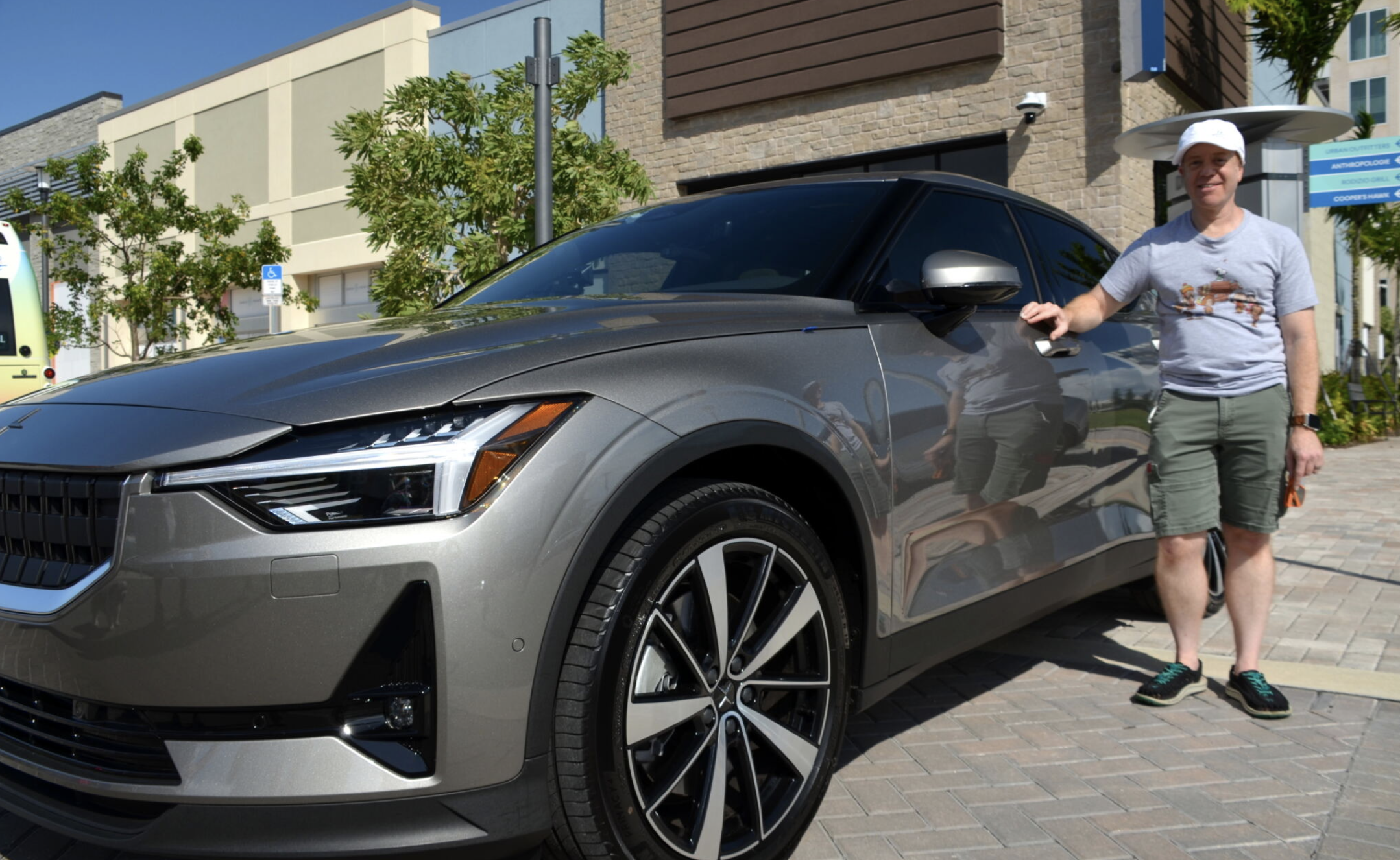
Transportation electrification refers to the shift from traditional internal combustion engine (ICE) vehicles that rely on fossil fuels to electric vehicles (EVs) powered by electricity. This transition involves adopting various electric transportation modes, such as electric cars, buses, trucks, trains, and even electric bicycles. The fundamental principle behind transportation electrification is reducing reliance on fossil fuels, lowering greenhouse gas emissions, and mitigating the environmental impacts associated with conventional transportation systems.
Electric vehicles are powered by batteries that store electrical energy, which is then used to propel the vehicle. They produce little to no tailpipe emissions, making them a cleaner and more sustainable alternative to conventional gasoline or diesel vehicles. There are three types of electric vehicles: battery-electric, plug-in hybrid electric, and hybrid electric. Battery electric and plug-in hybrid electric vehicles are charged by are charged by plugging into an electric power source. Battery-electric vehicles are powered solely by electricity stored in batteries. Plug-in hybrid electric vehicles, like battery-electric vehicles, use rechargeable battery packs to power the motor, but also have an internal combustion engine that functions on gasoline. Plug-in hybrids have a more limited electric range than battery-electric vehicles. Hybrid electric vehicles are powered by an internal combustion engine that charges a battery motor which is used to increase efficiency. To find more detailed information about electric vehicle types visit Alternative Fuels Data Center: Electric Vehicles.

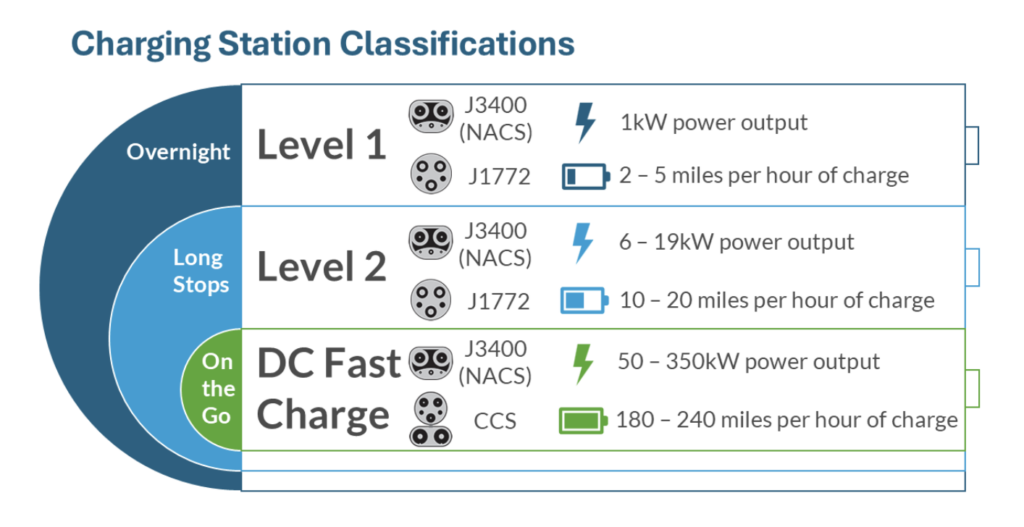
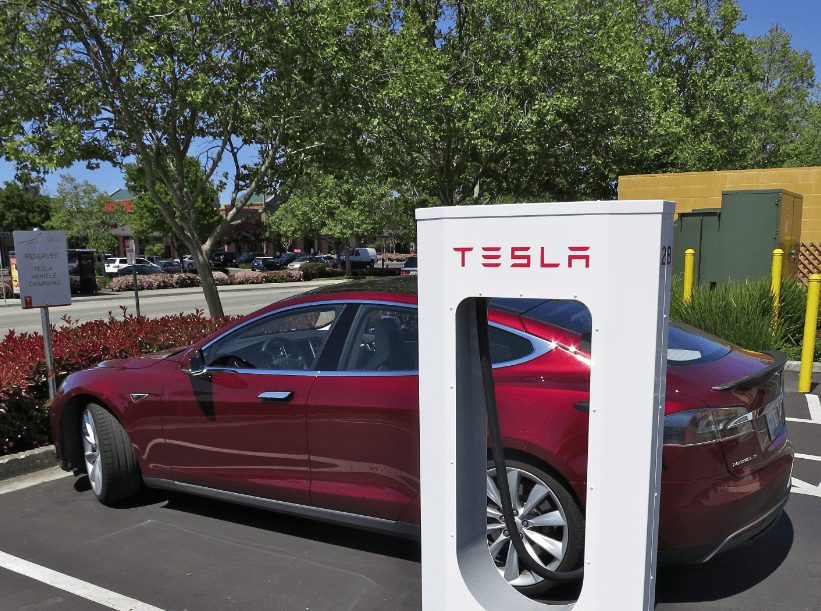
There are three levels of EV charging, each serving a different purpose. Level 1 is slow, overnight charging, Level 2 is for long stops of a few hours or more, and Direct Current Fast Charging, or DCFC (also known as Level 3) uses direct current to supply a vehicle with 50 – 70 miles of range in less than 20 minutes to enable rapid charging. Learn more about the types of charging, different connectors, and other EV charging information at the Alternative Fuels Data Center.