
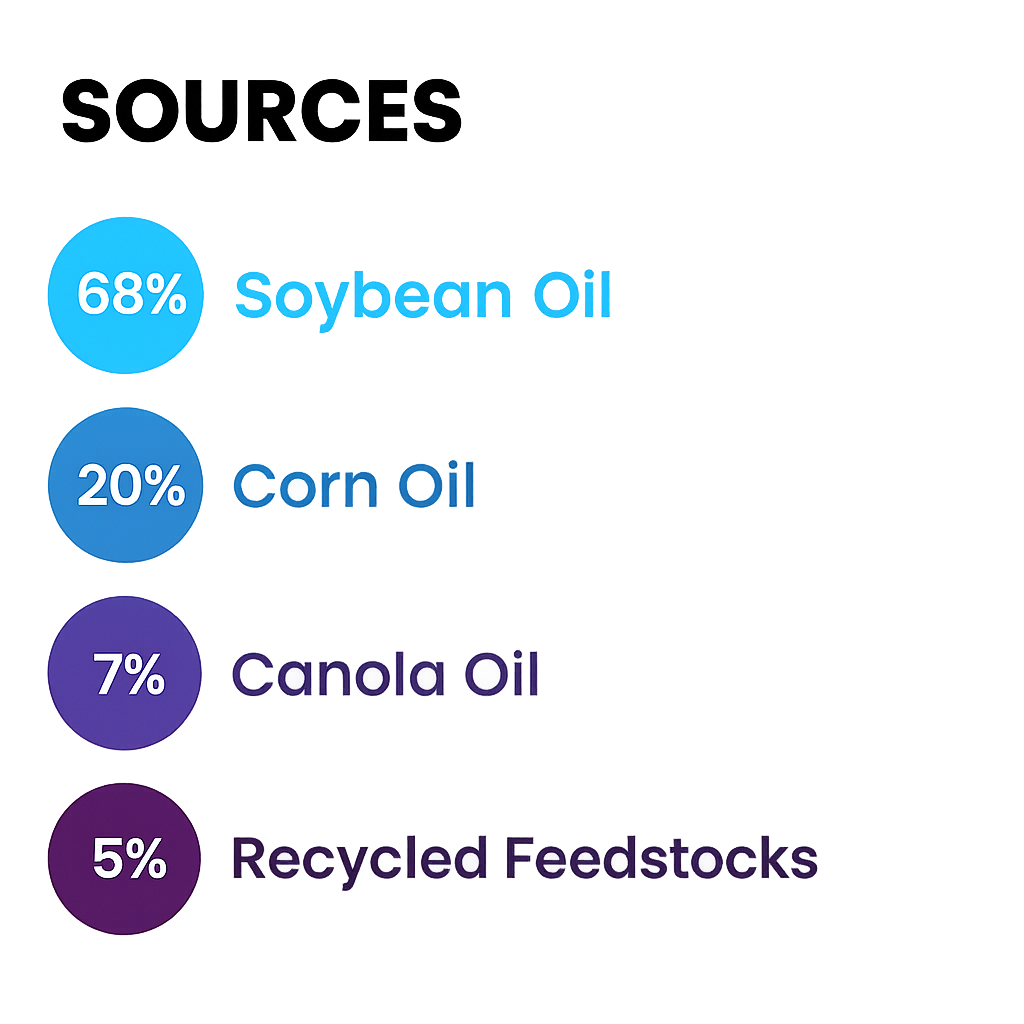
Biodiesel is a renewable and environmentally friendly alternative to traditional diesel fuel, typically derived from renewable resources such as vegetable oils, animal fats, or recycled cooking oils. It is produced through a chemical process called transesterification, where these feedstocks are reacted with an alcohol (usually methanol or ethanol) and a catalyst to break down their complex molecules into biodiesel and glycerin.
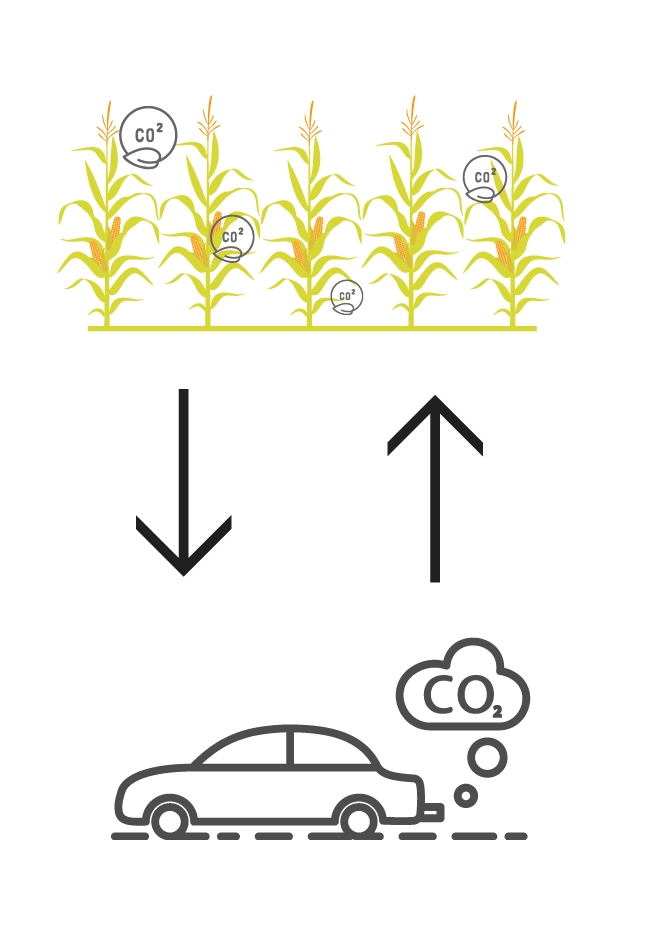
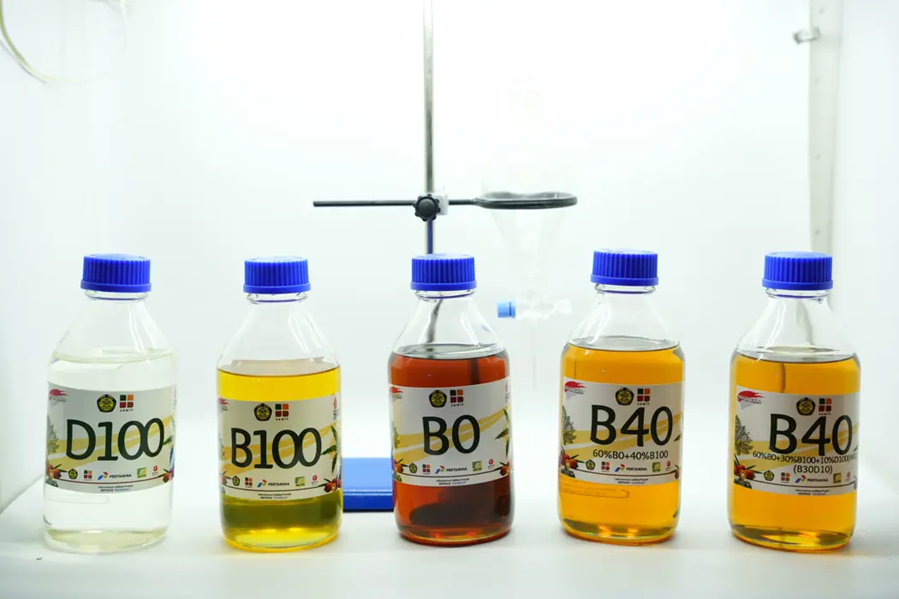
Biodiesel can be blended with conventional diesel fuel in varying ratios, such as B20 (20% biodiesel and 80% diesel) or B100 (pure biodiesel). It has several advantages, including reduced greenhouse gas emissions, as it typically emits fewer pollutants and particulates than conventional diesel. It’s biodegradable, non-toxic, and can be used in existing diesel engines without major modifications.
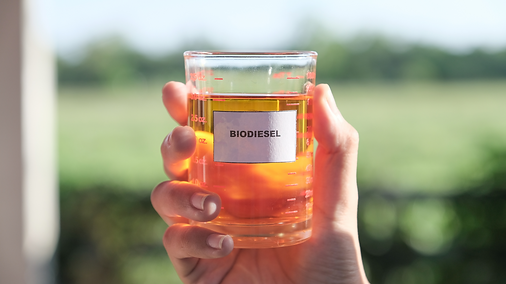

Low level blends
Low level blends such as B5 contain up to 5% biodiesel mixed with conventional diesel. This blend is often referred to as diesel fuel with no labeling at the pump. B5 is able to be used for any compression-ignition engine designed to operate off of conventional diesel.
B20
This is the most common blend and can be used on traditional diesel vehicles without modifications. Engines that use B20 have similar operational characteristics compared to those that run on petroleum diesel. Most biodiesel end users purchase B20 or lower level blends from fuel distributors. Regulated fleets that use B20 or higher are eligible for tax credits under the Energy Policy Act of 1992.
B20 must meet quality standards are prescribed by ASTM D7467. The Department of Energy’s Vehicle Technologies Office supported efforts to test and enhance biodiesel quality to ensure more fuel met ASTM standards.
B100 and high-level blends
B100 and other high-level biodiesel blends are less common than B20 and lower blends due to lack of regulatory incentives. B100 can be used in certain engines with biodiesel-compatible material. B100 functions like a solvent, which cleans a vehicle’s fuel systems and releases deposits from petroleum-based diesel, which may clog filters and require more frequent filter replacements. To avoid operational issues, B100 must meet the requirements of ASTA D6751, Standard Specification for Biodiesel Fuel (B100) Blend Stock for Distillate Fuels.